Ensuring full traceability of digital product data will be critical for complying with upcoming EU regulations, with information carried seamlessly from the earliest design stages through production, use, repair, and end-of-life processes.
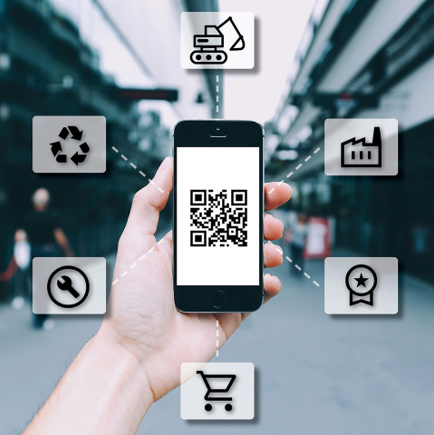
Digital Product Passports will be a key part of this shift. By scanning a QR code on the product, consumers, repair technicians, recyclers, and other stakeholders gain instant access to relevant information that supports smarter, safer, and more sustainable choices.
QCM helps you get started
QCM already supports companies preparing for Digital Product Passports and contributes as subject-matter experts to SwePass — Sweden’s national knowledge platform for DPP and ESPR. We combine product data, sustainability efforts, system understanding, and practical business development to deliver solutions that work.
Digital Product Passports
Digital Product Passports (DPP) are required by the EU to ensure structured, quality-assured, and traceable product information.
Their purpose is to increase transparency across the value chain, support circularity, and make things easier for both companies and consumers.
A digital product passport includes information on materials, climate impact, chemicals, components, repair, lifespan, and recycling.
For companies, this requires collecting, quality-assuring, and managing product data in a consistent way — often across multiple systems and organizations.
Making product information traceable
Accurate, complete, and accessible information is essential for a Digital Product Passport. Data comes from multiple sources, such as product development, suppliers, and manufacturing.
Digitalisation links this information allowing it to follow the product through its entire lifecycle
Control and traceability offer far more than just Digital Product Passports — they strengthen risk management, streamline operations, open the door to new business models, and prepare companies for future requirements.
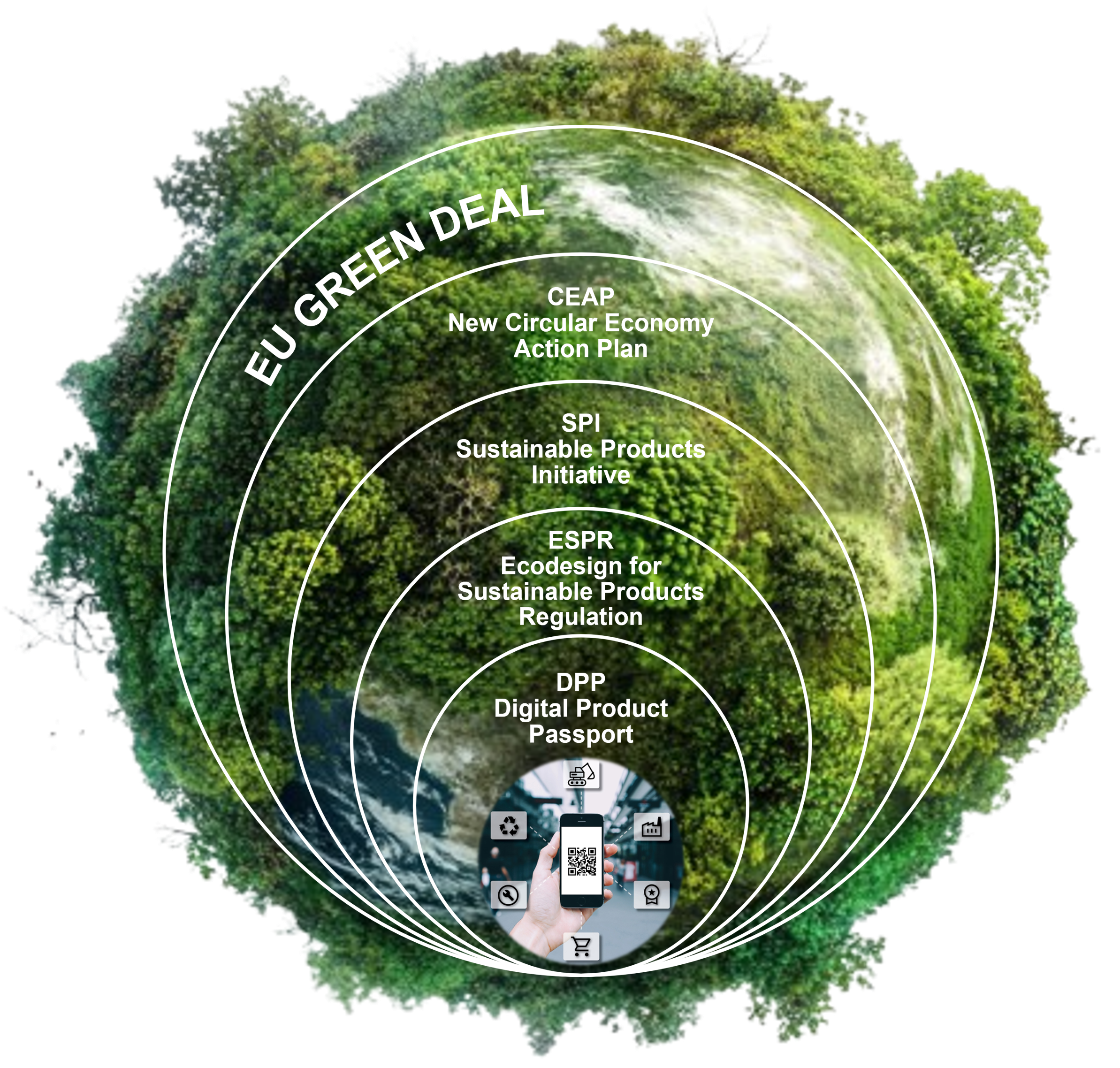
The EU Green Deal - driving the new requirements
The EU Green Deal aims to create a more sustainable and circular economy. ESPR (Ecodesign for Sustainable Products Regulation) introduces requirements for product information, material efficiency, sustainability, and traceability.
Digital Product Passports are a key tool for meeting these requirements — and also for boosting competitiveness, reducing environmental impact, and simplify processes for customers, repair technicians, and recyclers.
How to get started
DPP introduction
Learn what digital product passports are, how they impact your business, and the first steps to take – we provide you with an overview
We’re your advisory partner, helping you interpret requirements and make smart, practical decisions tailored to your business through the DPP-journey. Read more here
A digital product passport is a complete digital record of all key information about a product. This can include materials, components, climate impact, repairs, lifespan, and recycling. Its purpose is to give the right people the right information at the right time.
The first rules will apply in 2026 for products such as batteries. Textiles and electronics will follow in 2027–2028, with more product categories gradually introduced up to 2030.
Companies that manufacture, import, or sell products in the EU will need to start collecting, structuring, and making product data accessible. This is not just about compliance—it’s about creating a sustainable and efficient information flow.
Begin by gathering existing data, identifying gaps, assigning responsibilities, and communicating with your suppliers. QCM can help you build structure and a clear plan.
What we offer
Introduction and training
We clarify what digital product passports mean for your business and when your products will be affected.
Current state assessment
We assess your current information practices, determine where information is held, and identify needs and opportunities.
Planning and prioritisation
We develop a clear, concrete action plan to help you move forward efficiently.
Ways of Working
We help you establish roles, responsibilities, and quality assurance around your processes.
Systems and integrations
We show how digital product passports connect with systems such as ERP, PLM, PIM, and supplier workflows.
Implementation
We guide you from current state analysis to full implementation, focusing on practical results.
 Introduction and training
 Current state assessment
 Planning and prioritisation
 Ways of Working
 Systems and integrations
 Implementation